
Chicharrones de cerdo are crispy, golden pork pieces with juicy meat inside, a Puerto Rican favorite served on their own or with classic sides.
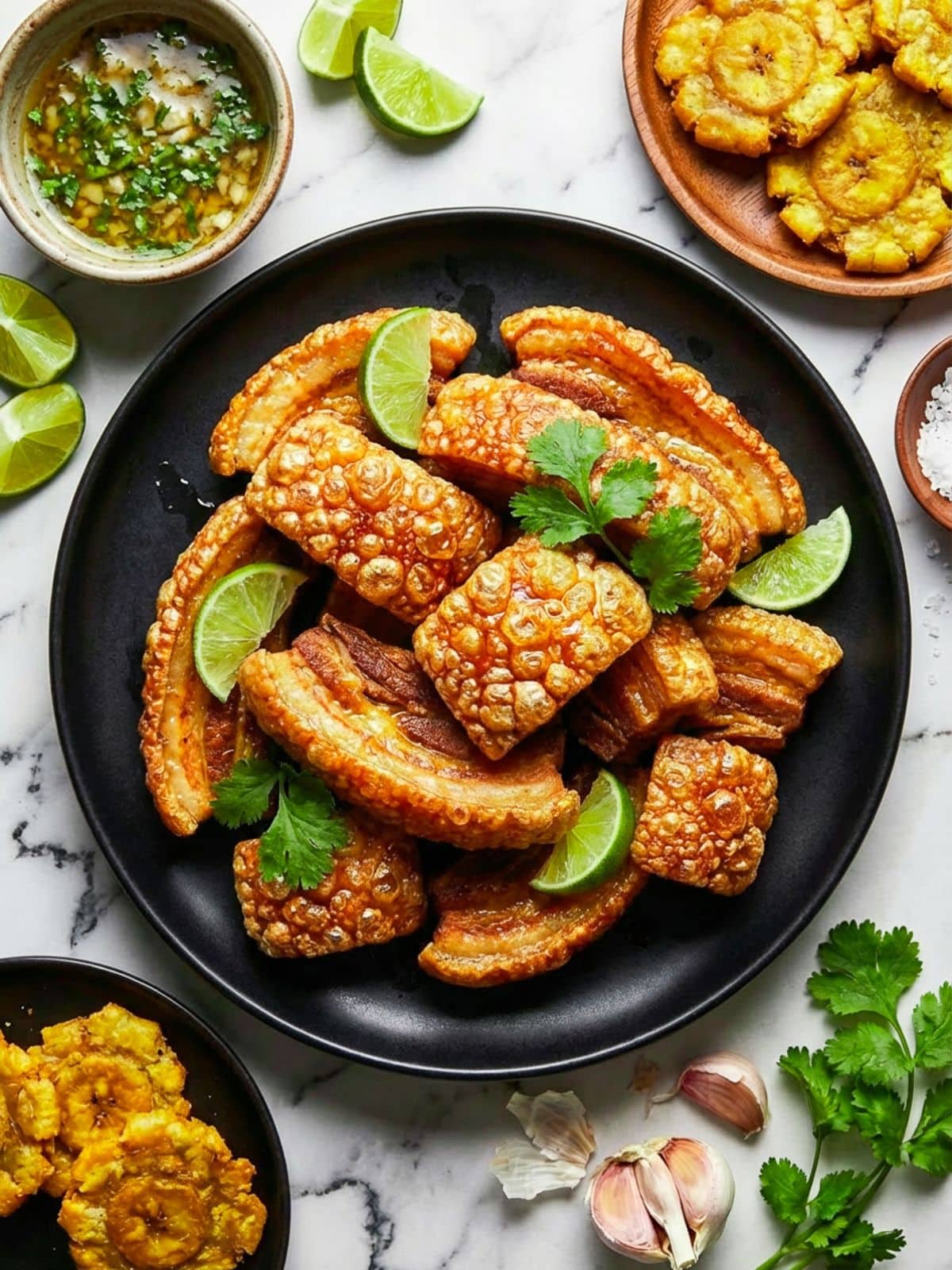
Chicharrones de cerdo are one of the most iconic and irresistible dishes in Puerto Rican cooking. These crispy, golden pork pieces have a signature crunch on the outside and juicy, flavorful meat on the inside. The first crunchy bite makes them unforgettable.
You'll find them everywhere in Puerto Rico, and across Latin communities throughout the United States where Puerto Ricans and other Latinos have made a home. From roadside lechoneras to small local spots, chicharrones are one of our guilty pleasures.
Made with simple ingredients and traditional techniques, this recipe brings authentic chicharron flavor straight into your kitchen. Serve them as a snack, appetizer, or the way many of us love them, next to a plate of mofongo. Note: If you have never had chicharrones but love the delectable crispy skin of pernil asado (Puerto Rican roast pork shoulder) then, you will absolutely love, chicharrones de cerdo.
For more crispy fried pork dishes, try our carne frita and masitas de puerco recipes!
Jump to:
What are Chicharrones de Cerdo?
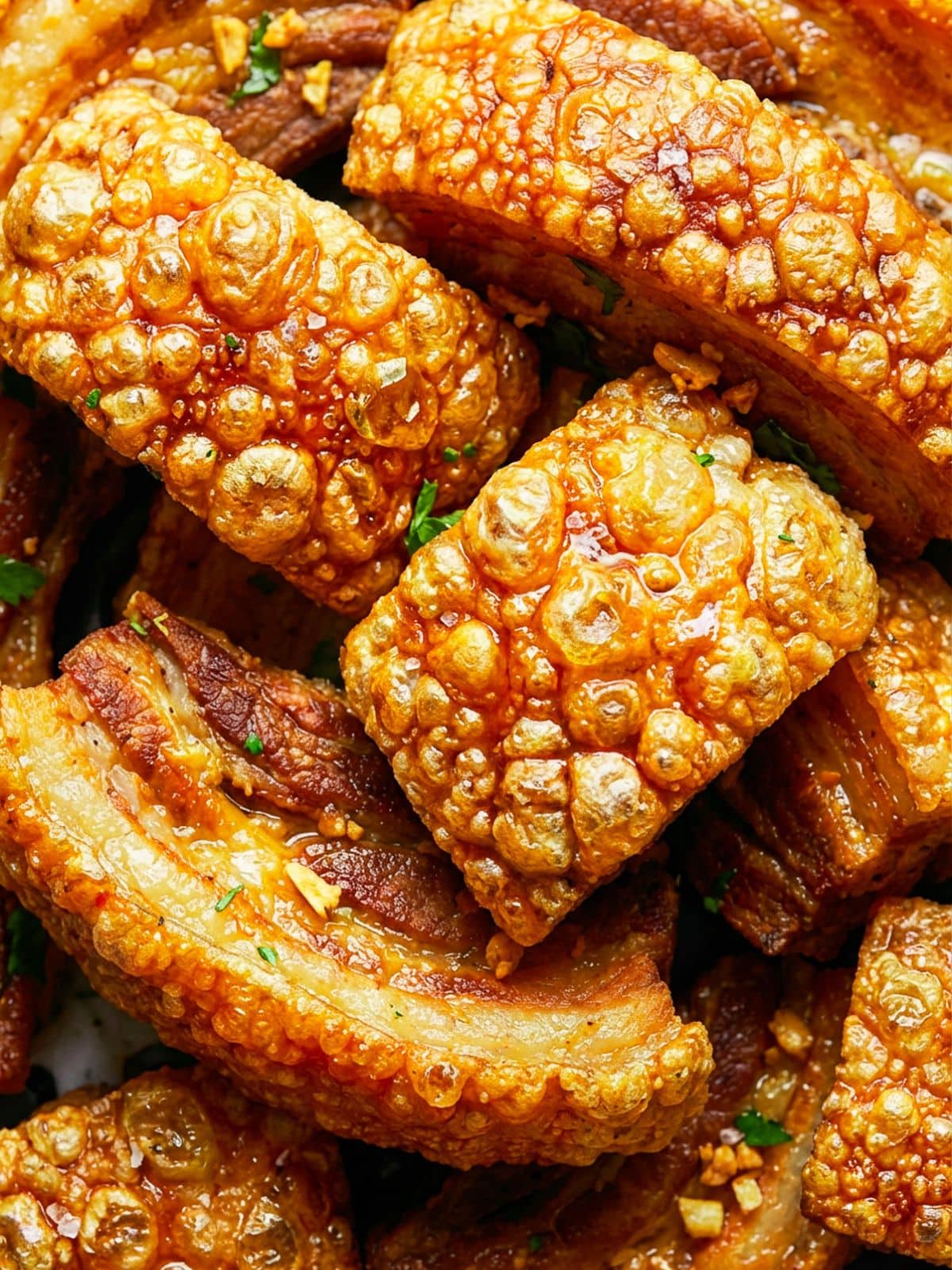
Chicharrones are pieces of pork cooked until crispy and golden, usually made from pork belly or pork skin with meat attached. They're known for their crunchy exterior and tender, flavorful inside.
In Puerto Rico, chicharrones are typically made in chunks rather than thin strips, giving you a perfect balance of crispy skin and juicy meat in every bite. They're seasoned simply and cooked in a way that lets the pork render its own fat before crisping up.
You'll also find chicharrones across many Latin cultures, including Dominican Republic, Colombia, Mexico, and Peru, each with its own way of preparing them, from thicker cuts to lighter, crispier versions.
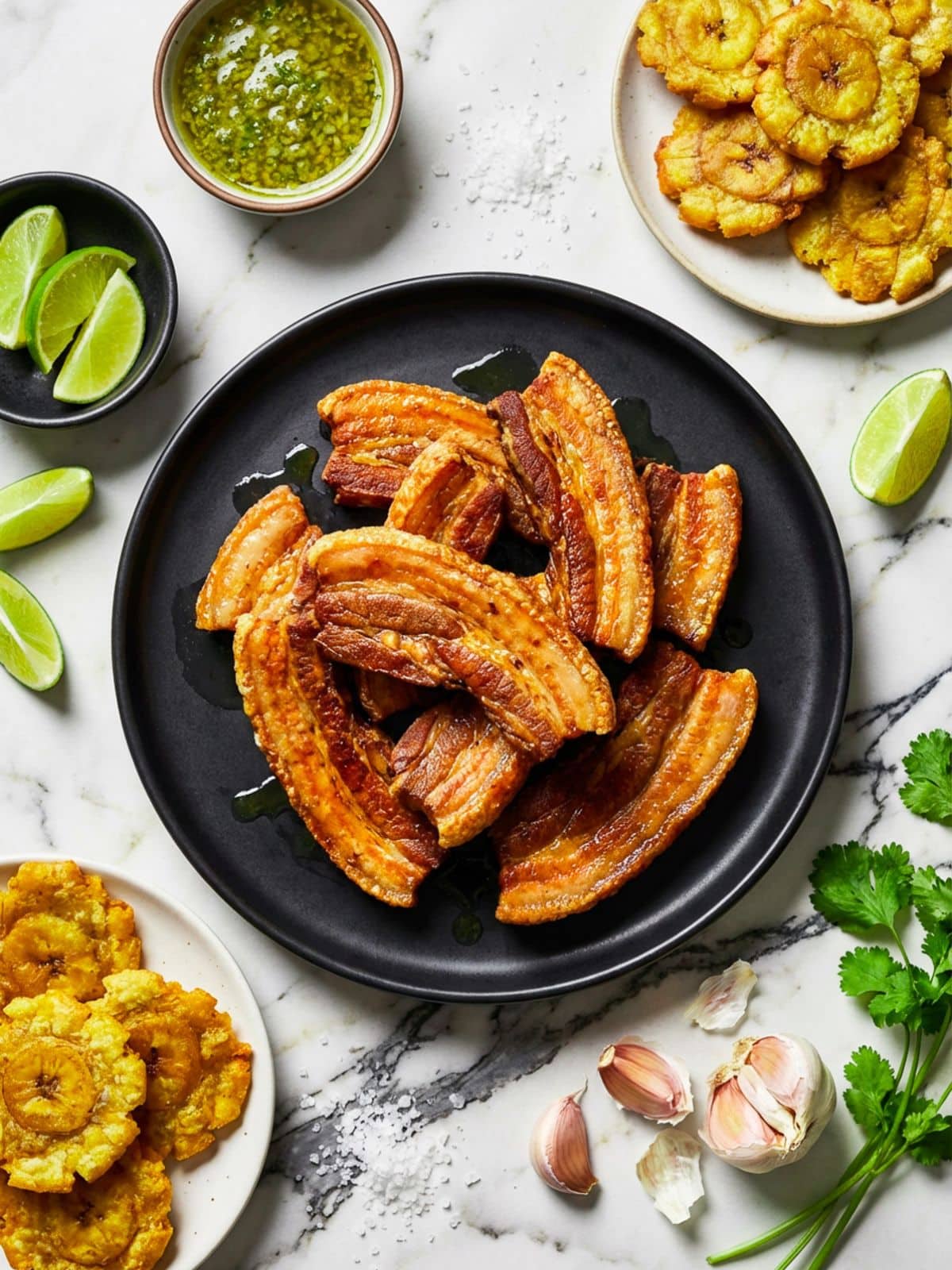
Ingredients to Make Chicharrones
- pork belly or pork shoulder (cut into chunks)
- salt
- garlic puree
- optional: adobo seasoning
- water
- oil (if needed for frying)
See my recipe card below for a complete list of the ingredients with measurements and instructions.
How to Make Chicharrones de Cerdo
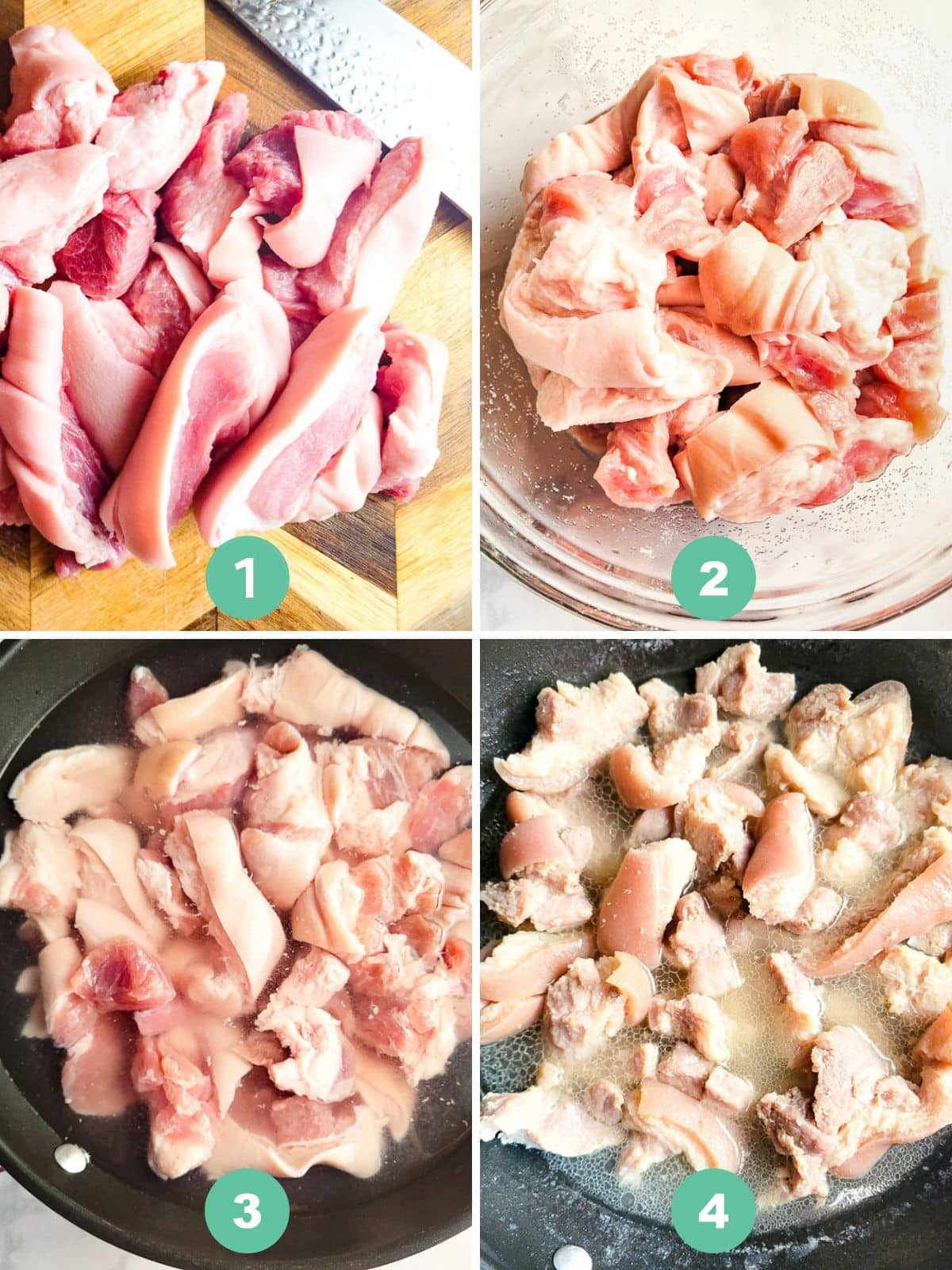
Step 1: Cut the Pork
- Cut the pork chunks into 4 inch strips.
Step 2: Season the Pork
- In a large bowl, season the pork pieces with salt, garlic, and adobo. Mix well until evenly coated. Let sit for at least 20-30 minutes to allow the flavors to absorb.
Step 3: Start the Cooking Process
- Place the pork in a heavy-bottom pot or caldero. Add enough water to partially cover the pork.
- Cook over medium heat until the water begins to simmer.
Step 4: Render the Fat
- Allow the pork to cook as the water gradually evaporates. This step is key, it slowly renders the fat, making the pork tender while building flavor.
- Stir occasionally to prevent sticking.
Step 5: Fry Until Crispy
- Once the water has fully evaporated, the pork will begin to fry in its own fat.
- Continue cooking, turning occasionally, until the pieces are golden brown and crispy on all sides.
- If needed, add a small amount of oil to help with frying.
Step 6: Finish and Serve
- Remove from heat and drain on paper towels. Serve immediately for best texture.
Serving Suggestions
Chicharrones de cerdo can be served in a few different ways, depending on how you want to enjoy them. You can keep it simple and eat them just like that, or plate them up with some classic sides and make it a full meal.
- Serve simply as a snack or appetizer with lime wedges.
- With mofongo – One of the most popular ways to serve them, paired with mashed plantains and garlic.
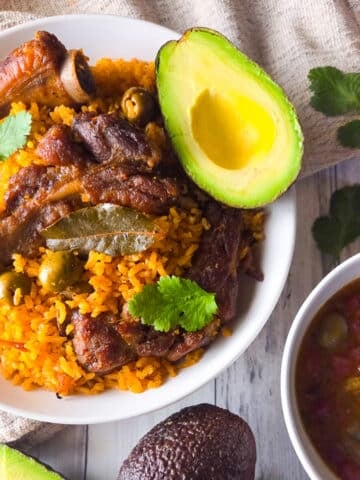
- Serve with arroz con gandules or arroz apastelado – a traditional way to serve chicharrones in Puerto Rico.
- With arroz blanco and habichuelas guisadas - A full, comforting plate with rice and beans.
- With yuca frita – Crispy on the outside and soft on the inside, yuca frita is a perfect match for chicharrones.
- Serve with dipping sauces – Serve with garlic mojo or mayo-ketchup for extra flavor.
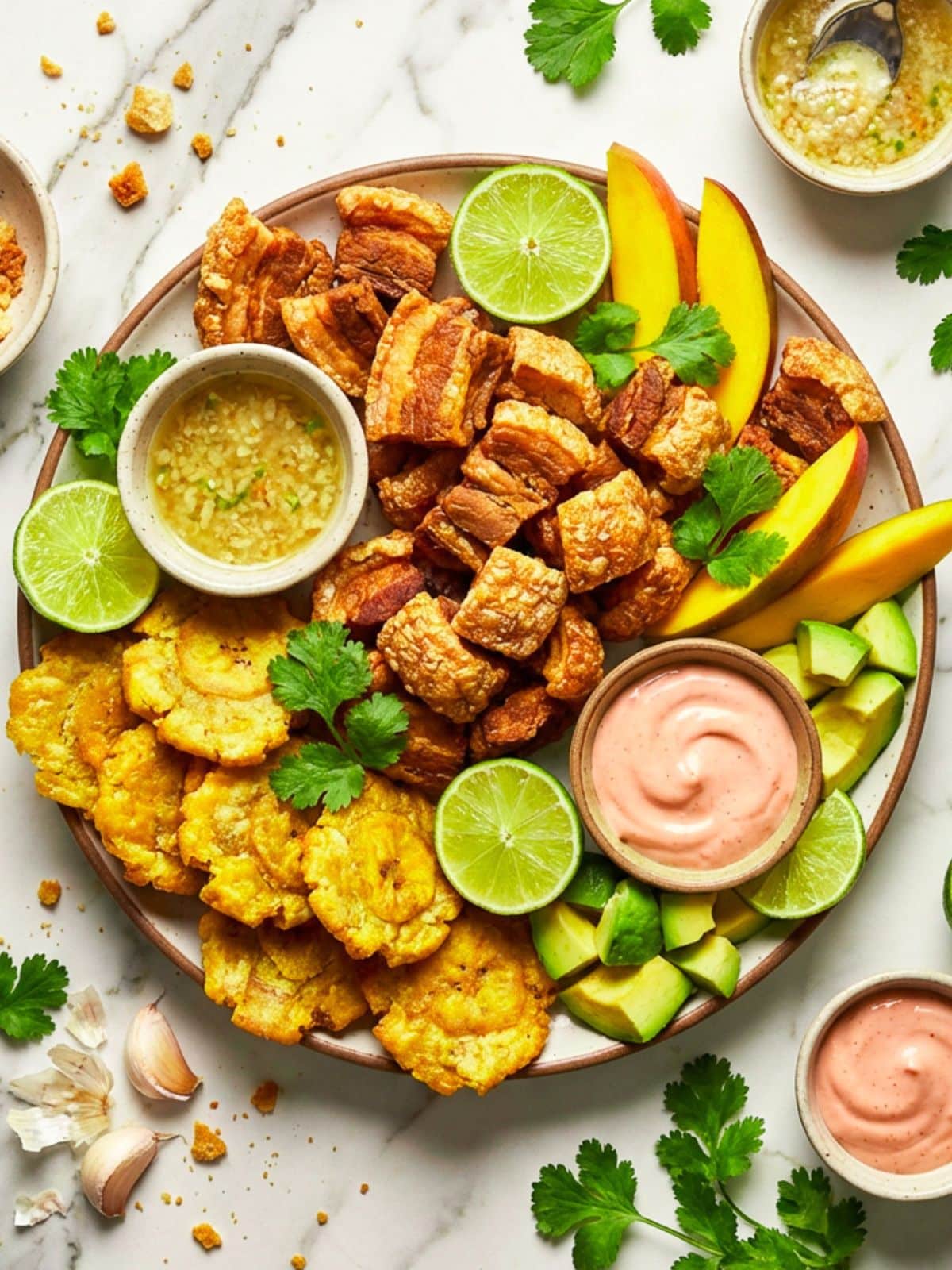
- Make a chicharron charcuterie board – Serve chicharrones on a large platter, slate or wooden cutting board with tostones, sorullitos, avocado slices or chunks, dipping sauces, sliced fruits and lime wedges, this is perfect for entertaining.
Cathy’s Expert Tips
- Don't rush cooking: The magic happens when the fat renders slowly. If you rush it, you'll miss that perfect crispy to juicy balance.
- Pork cuts: Pork belly gives you that classic crispy skin + juicy meat combo, but pork shoulder works great too for meatier bites.
- Listen to the sound: When the water is gone, you'll hear the change, it goes from simmering to frying. That's your cue.
- Don't overcrowd: Give the pork space so it crisps instead of steaming.
- Serve immediately: Chicharrones are best fresh. That crunch doesn't wait around.
Recipe FAQ’s
Most likely, the water didn't fully evaporate before frying, or the heat wasn't high enough at the end.
Yes! Place the pork on a wire rack set over a baking sheet. Bake at 250°F-300°F for 1-2 hours to allow the fat to render and the skin to dry out. Once the pork has dried, increase the heat to 400°F-450°F or switch to broil. Continue cooking for 10-15 minutes, or until the skin is blistered, golden, and crispy.
Yes! Place the pork pieces in the air fryer basket in a single layer, skin-side down. Cook at 375°F for 20 minutes, then flip and continue cooking for another 10-15 minutes, until the skin is crispy and puffed up.
Store in an airtight container in the fridge for up to 3 days. Reheat in the oven or air fryer to bring back crispiness.
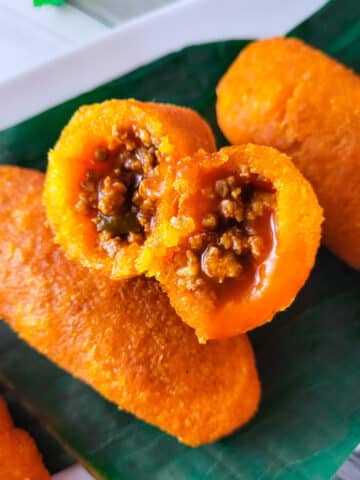
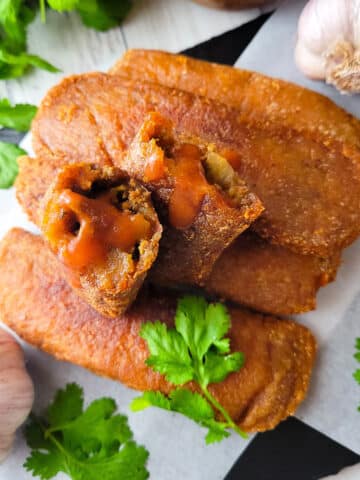
Other Puerto Rican Fried Fritters You Will Love


Did you try this recipe? Please leave a ⭐ review below!
Click any of the images in the post to PIN this Recipe and don't forget to follow along on Pinterest and Facebook.
📖 Recipe

Chicharrones de Cerdo (Pork Cracklings)
Ingredients
Pork
- 2 pounds pork belly, trimmings rinsed and cut into 2-4 inch long strips
Seasonings
- ½ tablespoon oregano
- adobo seasoning sprinkled
- 2 tablespoons garlic puree
- ½ tablespoon salt
- water
- vegetable or corn oil if needed for frying
- 2 limes cut into wedges
Instructions
Season the Pork
- In a large bowl, season the pork pieces with salt, garlic, oregano and adobo. Mix well until evenly coated. Let sit for at least 20-30 minutes to allow the flavors to absorb.
Cook
- Place the pork in a heavy-bottom pot or caldero. Add enough water to partially cover the pork. Cook over medium heat until the water begins to simmer.
Render Fat
- Allow the pork to cook as the water gradually evaporates. This step is key, it slowly renders the fat, making the pork tender while building flavor. Stir occasionally to prevent sticking.
Fry Until Crispy
- Once the water has fully evaporated, the pork will begin to fry in its own fat.
- Continue cooking, turning occasionally, until the pieces are golden brown and crispy on all sides. If needed, add a small amount of oil to help with frying.
Serve Immediately
- Remove from heat and drain on paper towels. Serve immediately for best texture.
Notes
- Pork belly - best option for crispy skin and juicy meat
- Pork shoulder - meatier, less skin, still flavorful
- Cooking: Be careful of hot oil splatters, as the fat from the chicharrones can be “explosive” and splatter while frying. Use a lid if needed to help control it. When removing the pieces, take your time and use caution. If the oil is splattering too much, lower the heat or turn it off briefly before taking them out to drain.
- Baking chicharrones: Place the pork on a wire rack set over a baking sheet. Bake at 250°F-300°F for 1-2 hours to allow the fat to render and the skin to dry out. Once the pork has dried, increase the heat to 400°F-450°F or switch to broil. Continue cooking for 10-15 minutes, or until the skin is blistered, golden, and crispy.
- Air-Fryer chicharrones: Place the pork pieces in the air fryer basket in a single layer, skin-side down. Cook at 375°F for 20 minutes, then flip and continue cooking for another 10-15 minutes, until the skin is crispy and puffed up.

Join the Discussion